Payroll Management Services in India: Complete Guide to Payroll Processing, PF, ESI & Statutory Compliance
Professional payroll management services in India including salary processing, PF compliance, ESI filing, TDS, labour law compliance, and payroll outsourcing solutions.
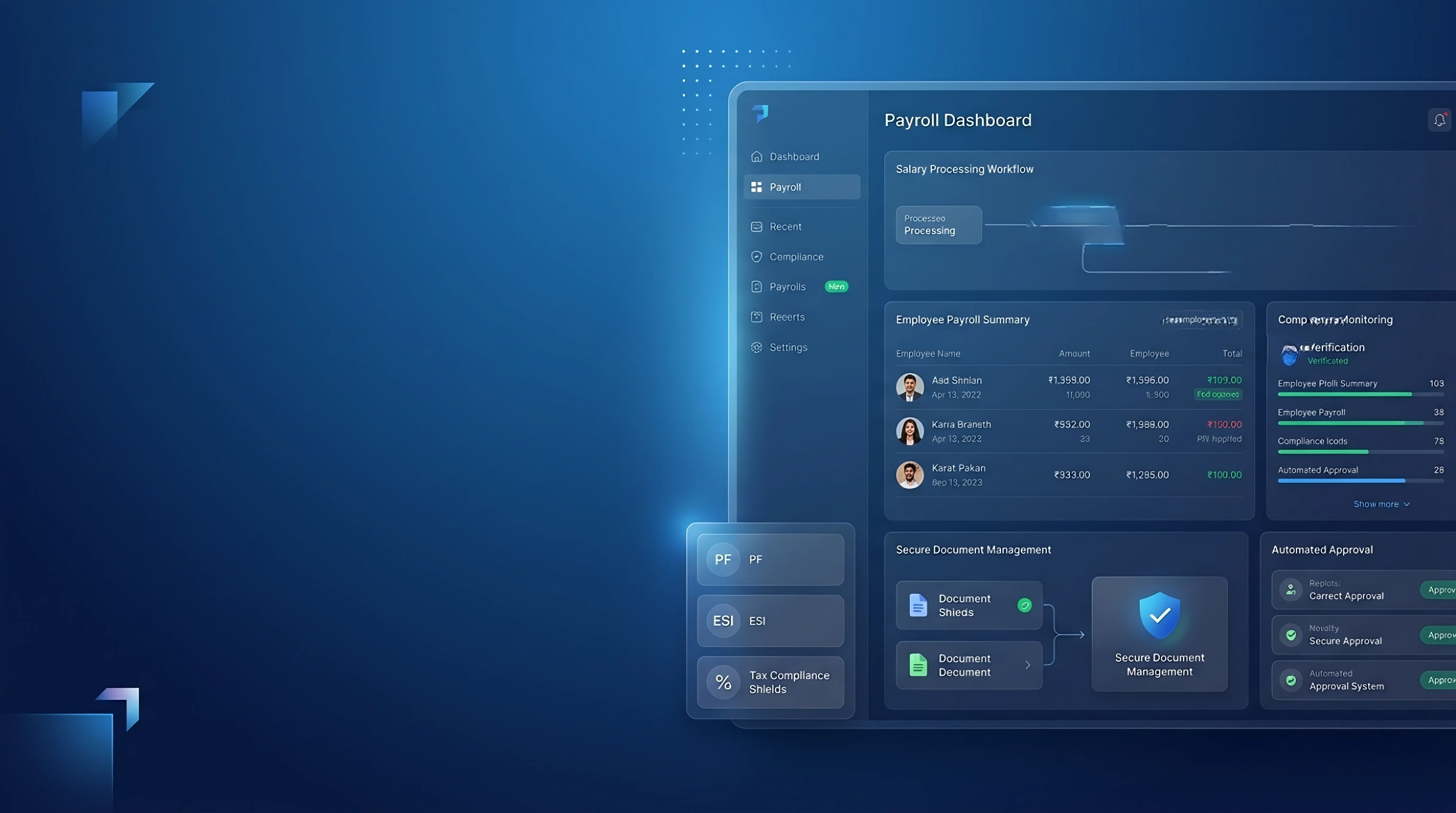
Introduction
Managing employee salaries is one of the most important responsibilities of every business. Whether you are a startup, small business, private limited company, LLP, manufacturing unit, transport company, retail business, or corporate organization, accurate payroll processing is essential for maintaining employee satisfaction and legal compliance.
Payroll management is much more than calculating salaries. It includes attendance tracking, salary computation, tax deductions, EPF compliance, ESIC compliance, professional tax, labour law compliance, payslip generation, and statutory filings. Errors in payroll can result in penalties, employee dissatisfaction, and compliance issues.
This comprehensive guide explains everything businesses need to know about payroll management services in India and why outsourcing payroll can help organizations save time, reduce errors, and ensure full statutory compliance.
What is Payroll Management?
Payroll management is the process of calculating employee salaries, deductions, taxes, and statutory contributions before releasing monthly wages.
A professional payroll system manages:
- Employee salary calculations
- Attendance and leave management
- Overtime calculations
- Bonus and incentive processing
- TDS deductions
- EPF contributions
- ESIC contributions
- Professional Tax deductions
- Payslip generation
- Payroll reports
- Compliance filings
Payroll management ensures employees receive accurate salaries on time while helping employers comply with government regulations.
Why Payroll Processing is Important for Businesses
Payroll is a critical business function because it directly affects employees and legal compliance.
Benefits of Proper Payroll Processing
1. Timely Salary Payments
Employees expect salaries to be paid accurately and on time every month. Proper payroll processing helps maintain trust and employee satisfaction.
2. Legal Compliance
Businesses must comply with various labour laws and statutory requirements including:
- EPF Compliance
- ESIC Compliance
- Professional Tax
- Labour Welfare Fund
- Income Tax Regulations
- Shops and Establishment Rules
3. Accurate Tax Deductions
Payroll ensures proper deduction and reporting of employee taxes, reducing compliance risks.
4. Improved Employee Experience
Accurate payslips, salary records, tax statements, and compliance documentation improve employee confidence and transparency.
5. Reduced Risk of Penalties
Payroll errors can lead to penalties, interest charges, and legal notices. Professional payroll management minimizes these risks.
Components of Payroll Processing
A complete payroll process generally includes the following steps:
Employee Data Management
Maintaining employee records such as:
- Name
- PAN
- Aadhaar
- Bank Details
- UAN Number
- ESIC Number
- Salary Structure
Attendance Processing
Tracking:
- Present Days
- Leave Days
- Overtime
- Holidays
- Late Attendance
Salary Calculation
Payroll professionals calculate:
- Basic Salary
- HRA
- Conveyance Allowance
- Special Allowance
- Bonus
- Incentives
- Overtime
Statutory Deductions
Mandatory deductions may include:
- Provident Fund (PF)
- Employee State Insurance (ESI)
- Professional Tax (PT)
- TDS on Salary
Payslip Generation
Monthly salary slips are generated and shared with employees.
Compliance Filing
Employers must file statutory returns and deposit contributions within prescribed timelines.
EPF Compliance in Payroll
The Employees' Provident Fund (EPF) is one of the most important statutory compliances for employers.
Key EPF Requirements
- Applicable to establishments with 20 or more employees.
- Employee Contribution: 12%
- Employer Contribution: 12%
- Monthly ECR Filing
- Timely PF Challan Payment
Benefits of EPF
- Retirement savings
- Pension benefits
- Interest earnings
- Financial security for employees
Proper PF compliance is essential to avoid penalties and legal complications.
ESIC Compliance in Payroll
The Employees' State Insurance (ESI) scheme provides social security and medical benefits to eligible employees.
Key ESIC Requirements
- Applicable to establishments covered under the ESI Act.
- Employee Contribution: 0.75%
- Employer Contribution: 3.25%
- Monthly contribution payments
- Periodic return filing
Benefits of ESIC
- Medical treatment
- Sickness benefits
- Maternity benefits
- Disability benefits
- Dependent benefits
Employers must ensure accurate ESIC payroll calculations and timely compliance.
Common Payroll Challenges Faced by Businesses
Many businesses struggle with payroll due to:
Frequent Regulatory Changes
Labour laws and compliance requirements are updated regularly.
Manual Errors
Spreadsheet-based payroll systems often lead to calculation mistakes.
Compliance Deadlines
Missing filing deadlines can result in penalties and interest.
Employee Record Management
Managing employee records manually becomes difficult as organizations grow.
Tax and Statutory Complexity
Handling PF, ESI, TDS, Professional Tax, and Labour Law compliance requires expertise.
Benefits of Outsourcing Payroll Services
Many companies choose payroll outsourcing services to improve efficiency and compliance.
Cost Savings
Hiring an in-house payroll team can be expensive. Outsourcing reduces operational costs.
Compliance Expertise
Payroll consultants stay updated with the latest statutory requirements.
Accuracy
Professional payroll processing reduces errors in salary calculations and deductions.
Time Efficiency
Business owners can focus on core operations instead of payroll administration.
Data Security
Professional payroll service providers use secure systems to protect employee information.
Why Choose Professional Payroll Services?
A professional payroll consultant can help businesses with:
- Monthly Salary Processing
- Payroll Outsourcing
- PF Registration
- ESI Registration
- PF Return Filing
- ESI Return Filing
- Labour Law Compliance
- TDS Compliance
- Payslip Generation
- Employee Tax Management
- Payroll Reports
- Statutory Audits
Whether you have 5 employees or 500 employees, professional payroll services help ensure compliance and smooth business operations.
Frequently Asked Questions (FAQs)
What is payroll processing?
Payroll processing is the calculation and distribution of employee salaries along with statutory deductions and compliance filings.
What are payroll services?
Payroll services include salary processing, payslip generation, PF, ESI, TDS compliance, employee record management, and statutory filings.
Why is payroll compliance important?
Payroll compliance helps businesses avoid penalties, legal notices, and regulatory issues while ensuring employee benefits are managed properly.
Can payroll be outsourced?
Yes. Payroll outsourcing is a common and cost-effective solution used by businesses across India.
Who needs payroll services?
Startups, SMEs, LLPs, Private Limited Companies, Manufacturing Units, Transport Companies, Retail Businesses, and Corporate Organizations can benefit from payroll services.
How much do payroll services cost?
Payroll service costs vary based on employee count, compliance requirements, and service scope.
Conclusion
Efficient payroll management is essential for every business. Accurate payroll processing, PF compliance, ESI compliance, statutory filings, salary calculations, and labour law compliance ensure smooth business operations and employee satisfaction.
Whether you are a startup, growing company, or established enterprise, investing in professional payroll management services can help reduce compliance risks, improve accuracy, and save valuable time.
If you are looking for reliable payroll services, payroll outsourcing, PF and ESI compliance, salary processing, and labour law consultancy, partnering with an experienced payroll consultant can help your business remain compliant, efficient, and employee-focused.